
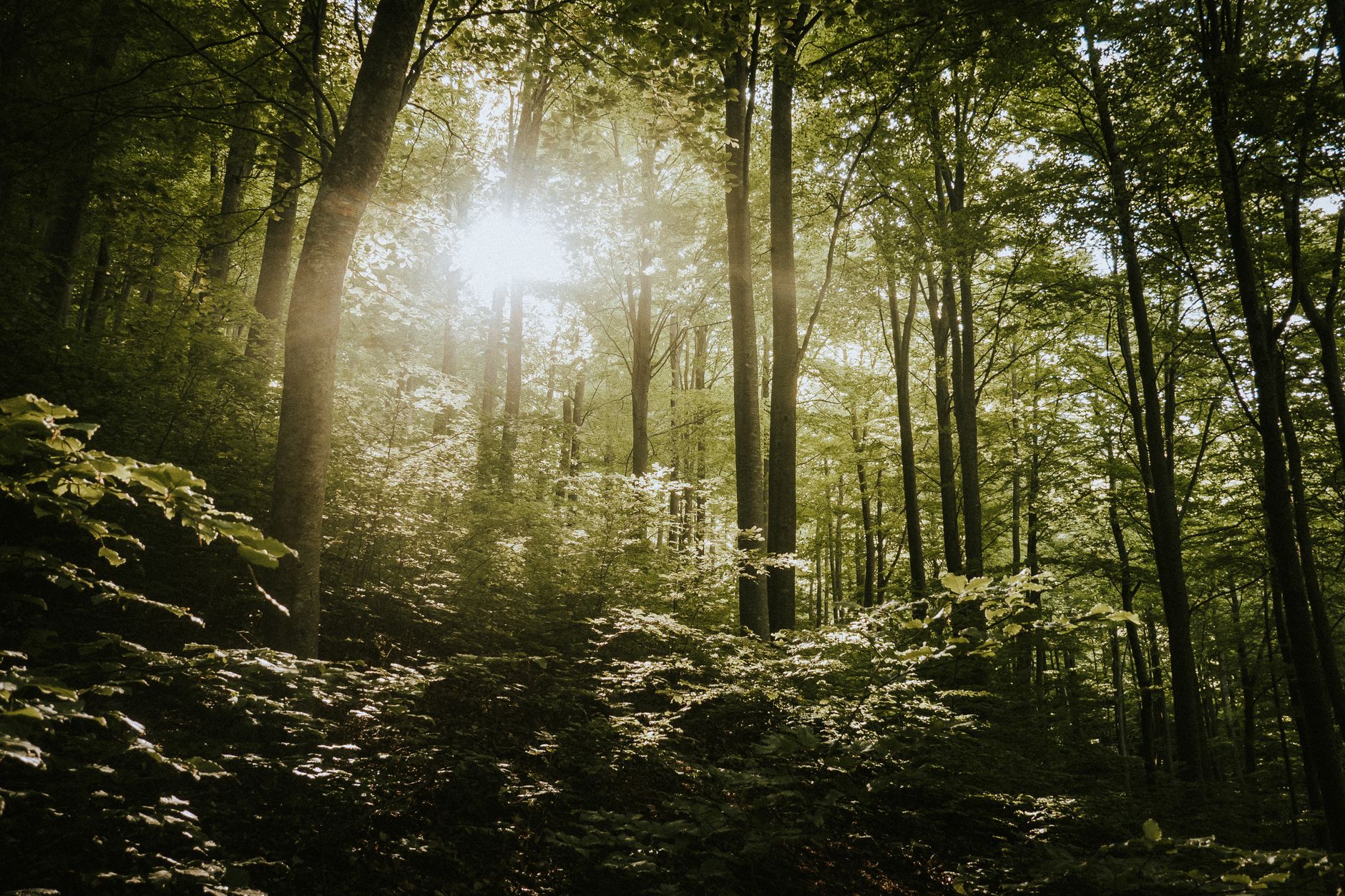
Redwoods has exactly one living resident, and that fact reorganizes everything else about the place. This isn’t a Land with a culture, a population, a way people there talk about themselves — it’s Benjamin of the Beasts’s domain, singular, and everyone else who moves through it either isn’t alive or isn’t quite there in the way the word usually means.
Ghosts and spirits are native to Redwoods the way deer are native to any other forest — common, unremarkable to whoever’s used to them, moving through the old growth on their own business. Benjamin shares his Land with them, not the other way around. It’s less a haunted forest than a forest that happens to also be full of spirits, which is a smaller distinction than it sounds but changes the whole mood: nobody’s afraid here. There’s nobody left to protect from anything.
That solitude tracks with everything about Benjamin himself — nothing about him is fast or performative, even his most extraordinary transformations reading closer to weather than spectacle — and Redwoods holds the same quality. Whatever damage the Chain has done elsewhere, Redwoods absorbs slowly, the way old growth absorbs fire, with no living witnesses to keep score except the one Dreamer whose Land this actually is.
Benjamin of the Beasts in Redwoods
Benjamin can flicker into a bearcub or a wolf. He hears the forest talking back. His emotional state and the health of his forest are the same thing, which means Benjamin in grief is a forest in winter, and Benjamin in joy is everything blooming at once. He is the youngest of the Dreamers in spirit — and, if threatened, the most dangerous.